When other treatments have failed.
Ketamine Therapy for Chronic Pain

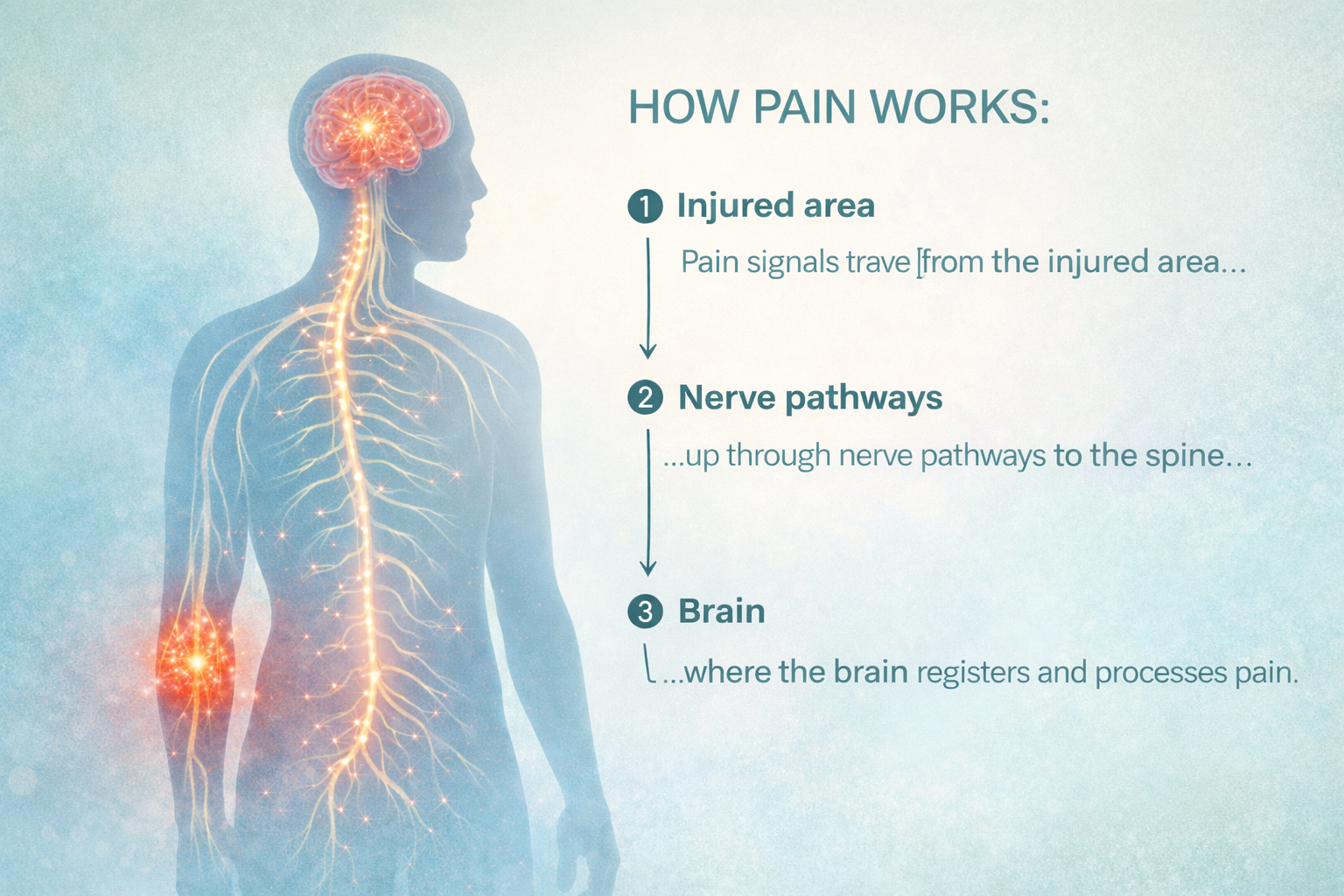
Chronic pain changes how you live — and traditional treatments don’t always address the root of the problem. Ketamine therapy offers a breakthrough approach by targeting the nervous system pathways responsible for persistent pain, not just the symptoms. At Perfect Balance Infusion Spa, our medically supervised ketamine infusions are designed to help “reset” pain signaling, reduce inflammation, and restore function, offering relief for patients who have exhausted conventional options.
RELIEF.
Ketamine works in a very different way than opioid pain medications like morphine or oxycodone.
Opioids mainly block pain signals for a short time and often need higher doses over time, which can increase the risk of dependence and side effects.
Ketamine helps calm the overactive pain signals in the brain and nervous system that cause chronic pain, rather than just covering the pain up. Because of this, ketamine therapy may provide longer-lasting relief for chronic pain without the risks commonly associated with long-term opioid use.
Answers to common questions…